
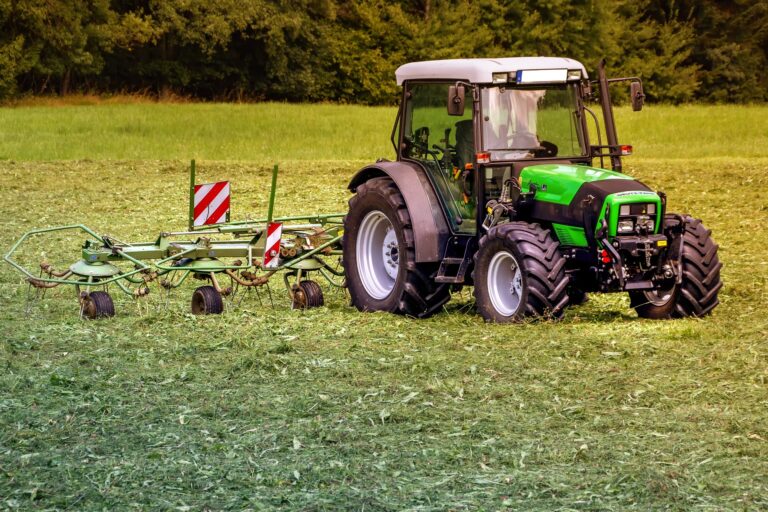
Precision agriculture is a modern farming approach that uses advanced technology, data analysis, and smart equipment to monitor and manage crops with greater accuracy. Instead of treating an entire field the same way, farmers use detailed data about soil conditions, moisture levels, weather patterns, and crop health to apply the right amount of water, fertilizer, and pesticides exactly where they are needed. This targeted method helps farmers increase productivity while reducing waste, making agriculture more efficient and environmentally friendly.
One of the biggest advantages of precision agriculture is improved crop yield and better resource management. By using real-time data and smart farming tools, farmers can detect issues such as nutrient deficiencies, pests, or disease early and take quick action. This not only improves the quality and quantity of crops but also reduces operational costs by minimizing the overuse of fertilizers, water, and chemicals. As a result, farmers can produce more food while protecting soil health and conserving natural resources.
Several innovative technologies are driving the growth of precision agriculture. These include GPS-guided tractors, drones for aerial crop monitoring, soil sensors, satellite imagery, and Internet of Things (IoT) devices that collect and analyze farm data. Artificial intelligence and machine learning are also being used to predict crop performance, monitor plant health, and optimize farming decisions. These technologies allow farmers to gain deep insights into their fields and make data-driven decisions that improve efficiency and sustainability.
Looking ahead to 2026 and beyond, precision agriculture is expected to play a major role in the future of global farming. As climate change, population growth, and food demand continue to rise, farmers will increasingly rely on smart technologies to produce more with fewer resources. Advancements in automation, robotics, predictive analytics, and AI-powered farming systems will make agriculture more precise, scalable, and sustainable. With continuous innovation and adoption of digital farming solutions, precision agriculture is set to transform traditional farming practices and help ensure a more secure and sustainable food supply for the future.