
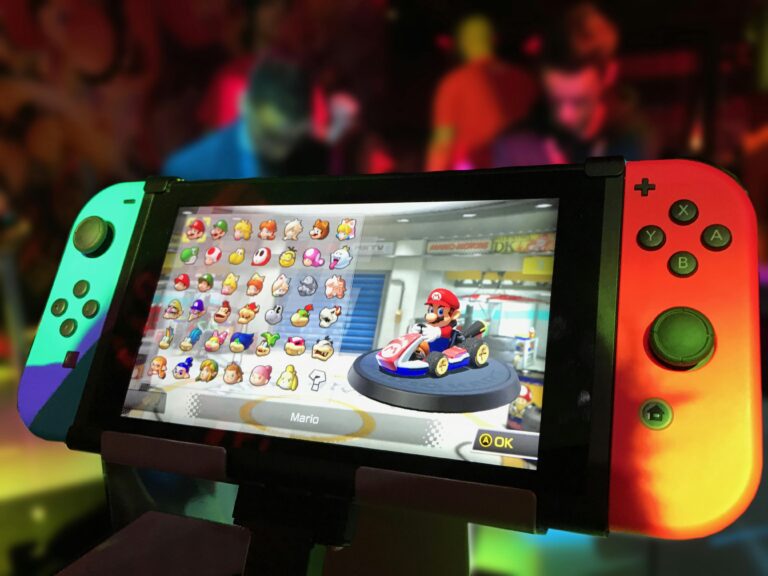
Digital marketing is playing a critical role in helping gaming brands grow, attract new players, and build strong communities in 2026. With the global gaming industry expanding rapidly, companies must use innovative digital strategies to stand out in a crowded market. One of the most important steps is building a strong online presence through a professional website, engaging landing pages, and active social media channels. A well-designed website that showcases games, features gameplay videos, and provides easy access to downloads or sign-ups can significantly improve user engagement and conversions.
Search engine optimization is another powerful strategy for increasing visibility and attracting gamers who are actively searching for new games or gaming platforms. By optimizing website pages, blogs, and game descriptions with relevant keywords, gaming brands can improve their ranking in search results. Creating content such as gaming guides, tips, updates, and community discussions can also attract organic traffic and keep players engaged with the brand. Consistent content helps establish authority in the gaming space and encourages players to return regularly.
Social media marketing plays a major role in building gaming communities and increasing brand awareness. Platforms that support video and live streaming allow gaming brands to showcase gameplay, announce updates, and interact directly with players. Sharing highlights, behind-the-scenes development content, and interactive challenges can create excitement around the brand. Engaging with followers, responding to comments, and encouraging user-generated content helps strengthen relationships with players and build a loyal fan base.
Influencer and creator collaborations are also highly effective in the gaming industry. Partnering with gaming influencers, streamers, and content creators allows brands to reach highly engaged audiences that trust their recommendations. Live streams, game reviews, and gameplay demonstrations can introduce the brand to new players while building credibility within the gaming community. Influencer partnerships often generate authentic engagement and help games gain popularity quickly.
Targeted digital advertising is another important strategy for scaling a gaming brand. Advertising platforms allow companies to reach users based on gaming interests, demographics, and online behavior. Well-designed campaigns that highlight exciting gameplay, unique features, or limited-time promotions can attract new players and encourage downloads or registrations. Combining paid advertising with optimized landing pages improves conversion rates and ensures that marketing investments generate measurable results.
Community engagement is also a key factor in building long-term success for gaming brands. Online forums, Discord communities, and in-game events provide spaces where players can interact with each other and the development team. Regular updates, new content releases, and community-driven activities keep players engaged and encourage long-term participation. Strong communities often become powerful advocates who help promote the brand through word-of-mouth and social sharing.
Data analytics also plays an important role in optimizing marketing strategies for gaming brands. By analyzing player behavior, engagement patterns, and campaign performance, companies can identify which marketing channels and strategies are delivering the best results. These insights allow gaming brands to refine their campaigns, improve player acquisition strategies, and allocate resources more effectively.
As competition continues to grow in the gaming industry, brands that combine creativity, community engagement, and data-driven marketing will have a clear advantage. By leveraging digital platforms, influencer partnerships, targeted promotions, and continuous optimization, gaming companies can successfully scale their brands and build loyal player communities in the rapidly evolving gaming ecosystem. 🎮