
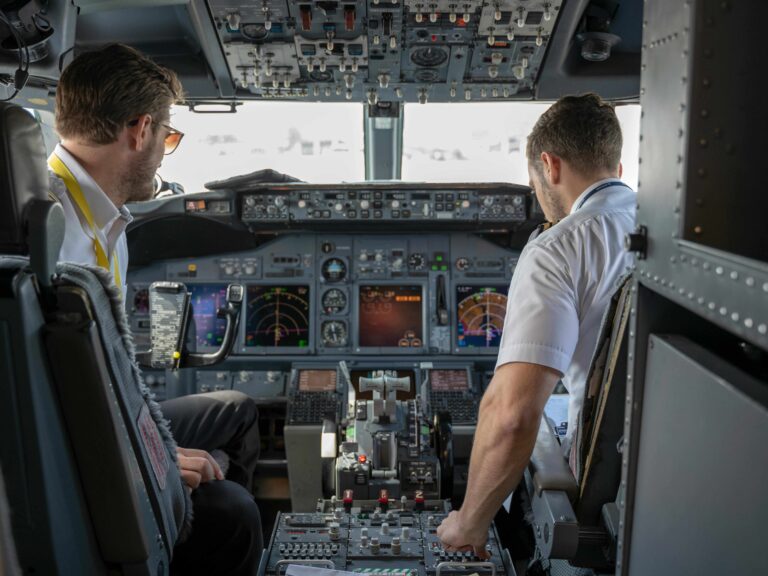
Digital transformation is rapidly reshaping the aviation industry in 2026 as airlines, airports, and aviation companies adopt advanced technologies to improve efficiency, safety, and passenger experience. The integration of digital tools, automation, and data-driven systems is helping the aviation sector modernize operations and respond to growing global travel demand. From intelligent airport systems to advanced aircraft maintenance technologies, digital innovation is enabling the industry to operate more smoothly while reducing operational costs and delays.
One of the most significant changes in aviation is the use of big data and artificial intelligence to optimize flight operations and maintenance. Airlines are now able to analyze massive amounts of flight data to predict potential technical issues before they occur, allowing for proactive maintenance and reducing the risk of unexpected aircraft failures. Predictive analytics also helps airlines improve fuel efficiency, optimize flight routes, and manage schedules more effectively, resulting in better on-time performance and lower operational expenses.
Passenger experience is also being transformed through digital technologies. Airports and airlines are introducing biometric identification, mobile boarding passes, self-service kiosks, and AI-powered customer support systems to create a faster and more convenient travel process. Travelers can now receive real-time updates about flight schedules, baggage tracking, and boarding information through mobile applications, making the overall journey more seamless and stress-free. These digital improvements are helping airlines build stronger relationships with passengers while enhancing customer satisfaction.
Automation and smart infrastructure are playing an increasingly important role in modern airports. Technologies such as smart baggage handling systems, digital air traffic management, and automated security screening are helping airports manage high passenger volumes with greater efficiency. These systems reduce congestion, improve security processes, and ensure smoother airport operations. As airports continue to adopt intelligent technologies, they are becoming more connected and capable of handling future travel demands.
Looking ahead, digital transformation will continue to shape the future of the aviation industry. Emerging technologies such as cloud computing, Internet of Things (IoT), blockchain, and advanced robotics are expected to further enhance operational transparency, security, and efficiency. As the aviation sector continues to innovate, digital transformation will play a crucial role in building a smarter, safer, and more sustainable air travel ecosystem for the future.