
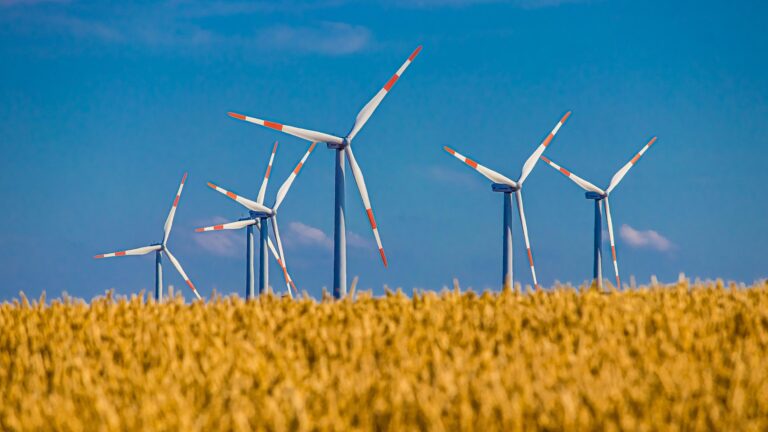
The future of renewable energy is rapidly evolving as governments, businesses, and communities around the world focus on sustainable solutions to meet growing energy demands. In 2026, the power industry is experiencing major transformation driven by technological innovation, environmental concerns, and global efforts to reduce carbon emissions. Renewable energy sources such as solar, wind, hydro, and other clean technologies are becoming more efficient and cost-effective, making them increasingly attractive alternatives to traditional fossil fuels. As countries continue to invest in clean energy infrastructure, renewable power is playing a central role in shaping a more sustainable global energy system.
One of the most significant trends shaping the renewable energy industry is the rapid growth of solar and wind power installations. Advances in solar panel efficiency and wind turbine technology are enabling energy producers to generate more electricity while reducing overall costs. Large-scale solar farms and offshore wind projects are being developed in many regions to meet rising electricity demand while lowering environmental impact. These renewable sources are also becoming more accessible for residential and commercial users through rooftop solar systems and community energy projects.
Energy storage technology is another important development supporting the expansion of renewable energy. Because renewable sources like solar and wind depend on weather conditions, energy storage systems such as advanced batteries are essential for maintaining a stable power supply. Modern storage solutions allow excess energy generated during peak production periods to be stored and used when demand increases. This helps improve grid reliability and ensures a consistent energy supply even when renewable generation fluctuates.
Digital technologies are also transforming the power industry by enabling smarter energy management. Smart grids, artificial intelligence, and advanced data analytics allow energy providers to monitor electricity production and consumption in real time. These technologies help optimize energy distribution, reduce waste, and improve the overall efficiency of power systems. Consumers can also benefit from digital tools that help them monitor their energy usage and make more informed decisions about consumption.
Another growing trend is the increasing adoption of decentralized energy systems. Instead of relying solely on large centralized power plants, many communities are adopting localized energy generation through solar panels, small wind turbines, and microgrids. These systems improve energy resilience and allow communities to generate and manage their own electricity more effectively. Decentralized energy solutions are particularly valuable in remote or developing regions where traditional power infrastructure may be limited.
As the world moves toward a cleaner and more sustainable future, renewable energy will continue to play a critical role in the global power industry. Ongoing investments in technology, infrastructure, and policy support will drive further innovation and expansion of renewable energy systems. With continued progress in clean energy development, the power industry is expected to become more efficient, environmentally responsible, and capable of meeting the energy needs of a rapidly growing global population.